.png)
When Streaming Became a Destination Strategy

For more than half a century, destinations, especially African ones, have been marketed through narrative control. Carefully edited images, approved slogans, press trips designed to reassure rather than reveal. The logic was simple: to be desirable, a place first had to be explained.
Yet history shows that explanation is often the problem.
In May 2000, The Economist published its now-infamous cover story, “The Hopeless Continent.” The headline did not merely reflect a moment—it codified a worldview. Africa was reduced to a macro-problem, flattened into a single diagnosis. Even when the magazine revised its stance a decade later (“Africa Rising”, 2011), the structure remained the same: Africa as a concept, not as a lived reality.
What IShowSpeed did, perhaps unintentionally, was expose how obsolete that entire framework has become.
From Storytelling to Situation-Building
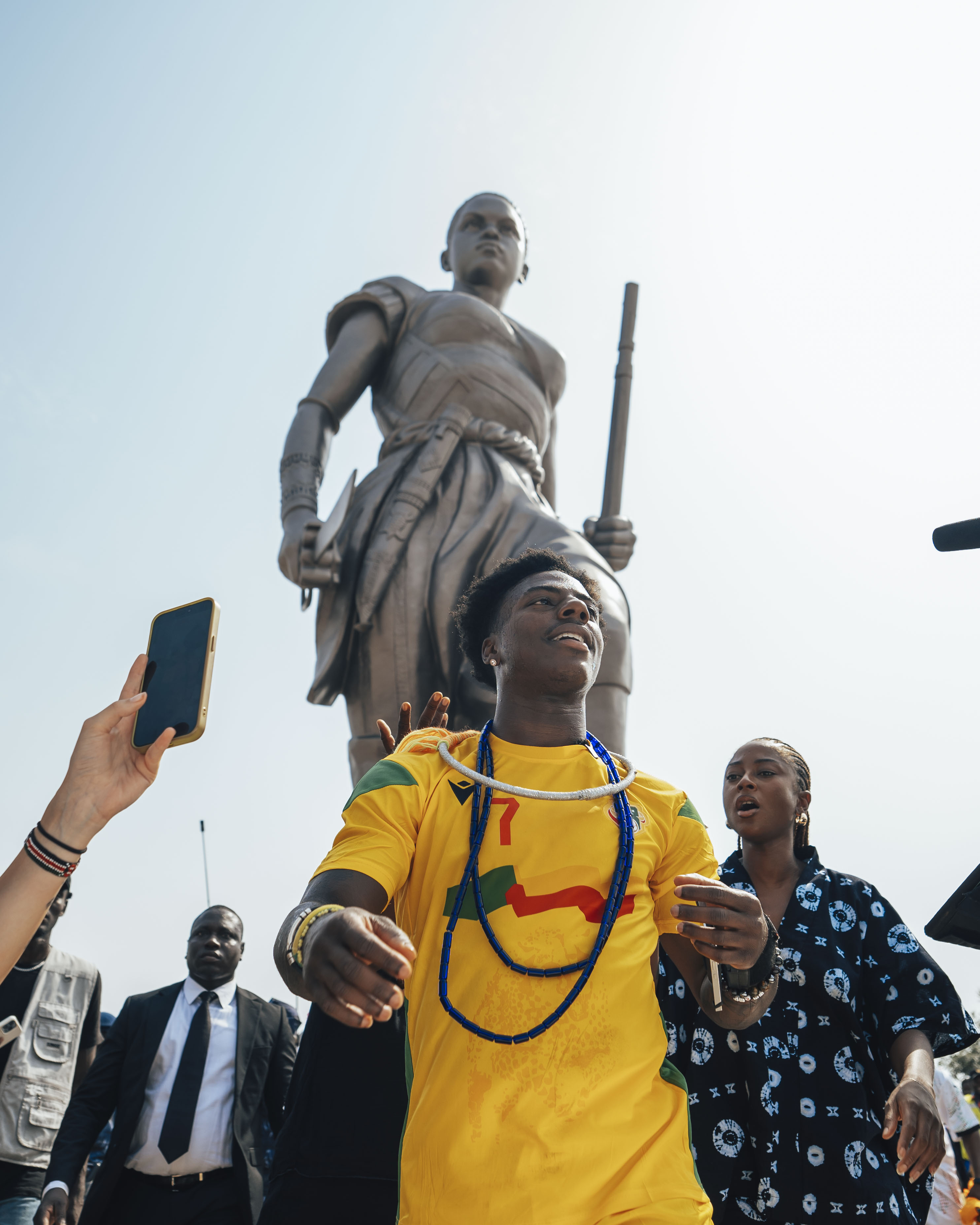
Classic destination marketing is rooted in storytelling: define a narrative, repeat it consistently, control its diffusion. Streaming operates on a radically different logic—situation-building. When IShowSpeed went live across African cities, there was no story arc, no scripted discovery. Instead, there was a succession of situations: getting lost, being surrounded by fans, reacting in real time to architecture, infrastructure, humor, chaos, affection.
For marketing professionals, this is a critical shift. Audiences no longer want a destination told to them. They want to be placed inside it.
In branding terms, this is the move from message-led communication to experience-led perception.
The Collapse of the “Single Narrative” Model
The danger of centralized narratives has long been documented. Nigerian writer Chimamanda Ngozi Adichie famously warned against “the danger of a single story”, the idea that repetition creates legitimacy, even when the story is incomplete or false.
Destination marketing has historically relied on single stories:
- one slogan,
- one angle,
- one promise.
Streaming annihilates this model through excess. There are too many moments, too many contradictions, too many emotional registers. Luxury malls coexist with street food. Advanced infrastructure sits next to informal economies. Joy interrupts expectation.
From a marketing standpoint, this multiplicity is not a weakness, it is credibility. Trust today is built not through coherence, but through density of reality.
Read more articles on branding and creativity


.png)
.png)